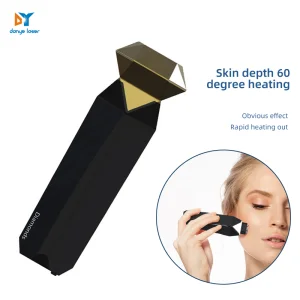
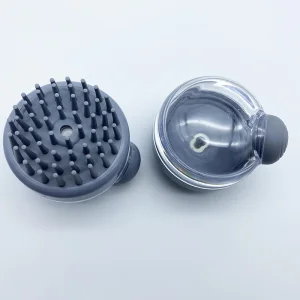
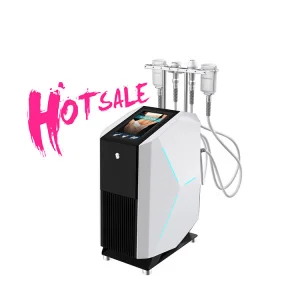
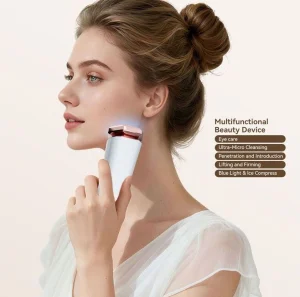
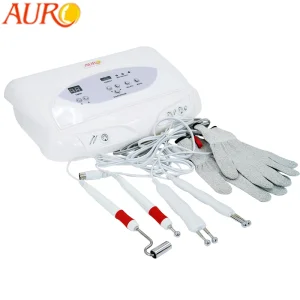
Explore our primary array of high-demand home beauty devices and microcurrent-assisted tools engineered for premium global distributors.
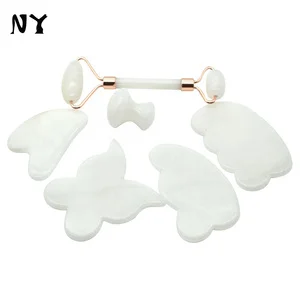
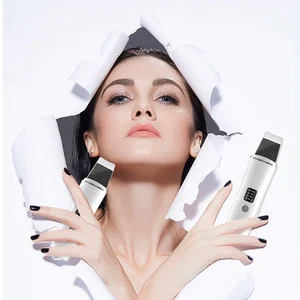
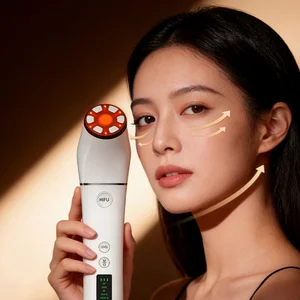
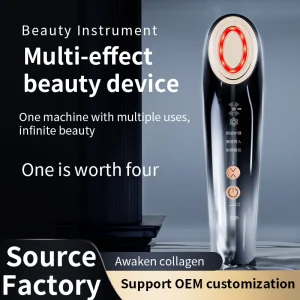
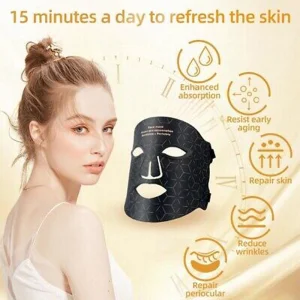
Modern skincare is no longer confined to occasional clinical visits; instead, clients demand high-efficacy, biocompatible, and safe devices that deliver visible results from the comfort of their homes. This transition has triggered an unprecedented surge in demand for specialized B2B partners capable of delivering state-of-the-art optical engineering, regulatory compliance, and high-volume scalability.
In this comprehensive whitepaper, we dissect the manufacturing ecosystem of China’s premium LED beauty devices. Focusing on the capabilities of leaders like Chengdu Osity Beauty Co., Ltd., we will detail how advanced semiconductor light-emitting diodes (LEDs), customizable wavelengths (633nm red light, 830nm near-infrared, and 415nm blue light), and compliance with FDA, CE, and RoHS standards define the benchmark for global exports.
Leveraging advanced manufacturing pipelines and expert research to power international personal care brands.
Operating with a commitment to product quality, manufacturing consistency, and continuous innovation. The company follows strict quality control procedures throughout product development, component sourcing, assembly, testing, and final inspection.
Customers can customize product functions, branding, packaging, appearance, and specifications according to target markets. From concept design to mass production, we offer comprehensive manufacturing support.
Integrating modern manufacturing technologies and market-oriented product design, Chengdu Osity Beauty Co., Ltd. continues to deliver home beauty solutions that support international partners.
The physics behind high-efficacy LED beauty devices: understanding wavelengths, energy density, and structural integrity.
Human cells contain light-sensitive receptors called chromophores. In the mitochondria, cytochrome c oxidase absorbs specific wavelengths of light, triggering cellular energy synthesis (ATP production) and down-regulating inflammatory cytokines.
In phototherapy, the total energy delivered is measured in Joules (J/cm²), which is the product of irradiance (mW/cm²) and duration (seconds). Cheap consumer devices often exhibit insufficient irradiance (< 10 mW/cm²), rendering them ineffective. Chengdu Osity's advanced manufacturing techniques maintain a constant, controlled irradiance of 30 to 50 mW/cm² at skin level, ensuring therapeutic outcomes within a standard 10-to-15-minute treatment window.
| Wavelength Mode | Target Depth | Primary Indication | Recommended Irradiance |
|---|---|---|---|
| Red Light (633nm) | Dermis (1 - 2 mm) | Collagen Neogenesis & Wrinkle Reduction | 35 mW/cm² |
| Near-Infrared (830nm) | Subcutaneous (> 3 mm) | Cell Recovery, Inflammation Control, Elasticity | 45 mW/cm² |
| Blue Light (415nm) | Epidermis (< 1 mm) | Acne Vulgaris treatment & sebum control | 25 mW/cm² |
Analyzing procurement channels, supply chain dynamics, and volume forecasting across major global regions.
In the United States and Canada, distributors prioritize FDA 510(k) clearance, medical-grade silicone skin compatibility (ISO 10993), and reliable wireless battery integration. Smart controls and mobile app pairings are strong competitive differentiators.
The European market requires CE, RoHS, and WEEE compliance. Importers seek eco-friendly packaging and modular components that allow for easy disassembly, recycling, or repairing, aligning with EU sustainability mandates.
Rapid expansion in East Asia, Southeast Asia, and South America centers around lightweight designs, USB-C fast charging, and competitive pricing for e-commerce, beauty clinic, and retail ecosystems.
How Chengdu Osity translates initial ideas into market-ready, customized skincare devices.
Utilizing advanced optical simulation software, our engineering team designs LED layouts that guarantee uniform light distribution across the face, preventing localized overheating or energy cold-spots.
High-resolution 3D printing and quick-turn injection molds generate physical models. Functional electronics are integrated within days, allowing clients to perform ergonomic and user testing quickly.
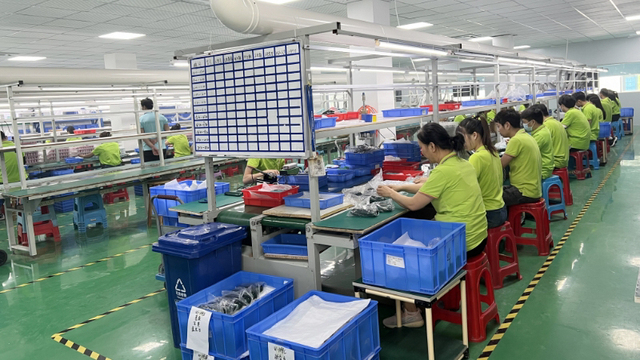
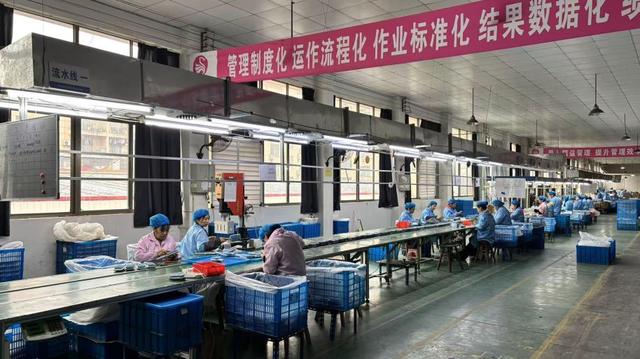
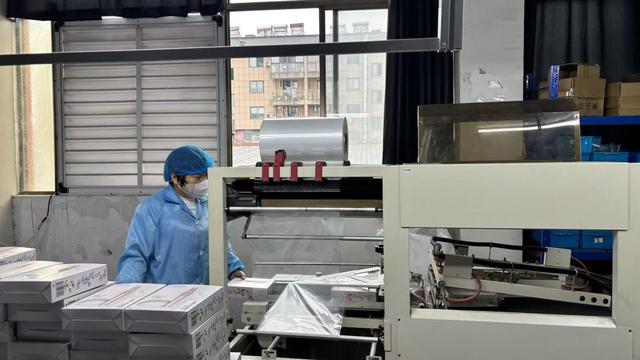
Once approved, we scale production in our cleanrooms. Precision surface-mount technology (SMT) handles circuit assembly, followed by laser welding, optical testing, and aging chambers to check device stability.
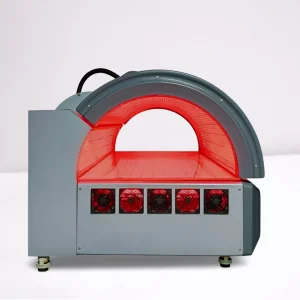
Explore Chengdu Osity's advanced facilities, modern assembly lines, optical calibration chambers, and final inspection processes:

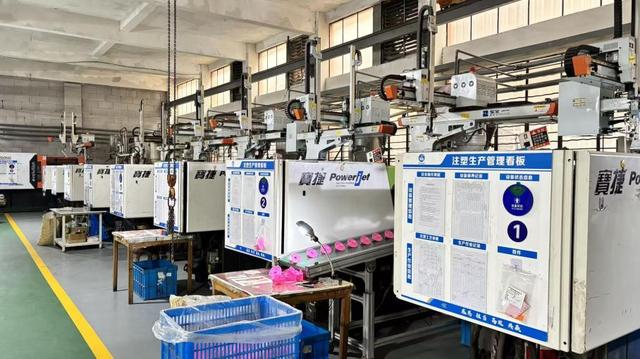

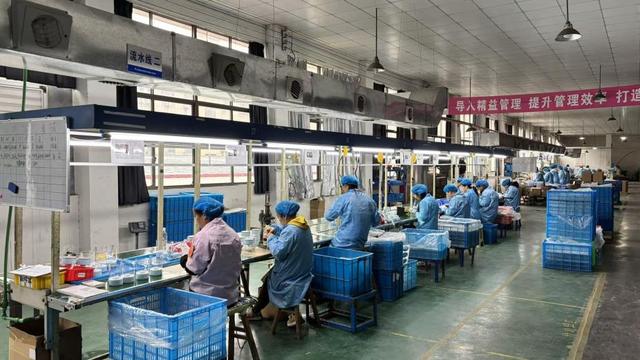
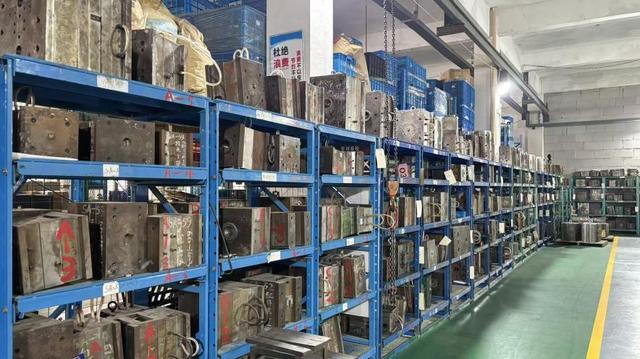
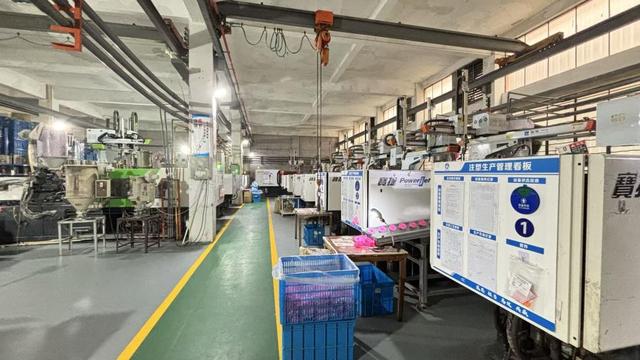
Ensuring our skin-contact medical products meet global safety regulations and electrical standards.
In the United States, LED masks are classified as Class II medical devices. To meet FDA requirements, manufacturers must supply comprehensive documentation detailing biocompatibility, optical safety (IEC 62471 for photobiological safety), and electromagnetic compatibility (IEC 60601-1-2).
Because LED masks directly contact sweat-prone skin, standard plastics can trigger allergic contact dermatitis. Premium manufacturers utilize medical-grade, platinum-cured flexible silicone that meets ISO 10993 cytotoxicity, sensitization, and irritation standards. This ensures comfortable wear and complete safety across all skin types.
Rechargeable controllers must feature overcharge protection, thermal shutdown thresholds, and short-circuit isolation. All batteries exported by Chengdu Osity undergo rigorous UN38.3 testing to verify safety for air transport and domestic storage.
The next generation of phototherapy devices: what B2B buyers should anticipate.
Future devices will combine LED light therapy with microcurrent stimulation (EMS), radiofrequency (RF) heating, and targeted thermal cycles to improve skincare absorption in a single session.
Ultra-thin, skin-like materials with stretchable electronic circuits are replacing rigid components. These hybrid masks fit seamlessly to unique facial contours, optimizing energy absorption.
Connected smartphone apps will analyze real-time skin conditions, adjusting light output and session lengths to target hydration, acne, or hyperpigmentation on the fly.
Answering critical technical and logisitical questions for global procurement managers.
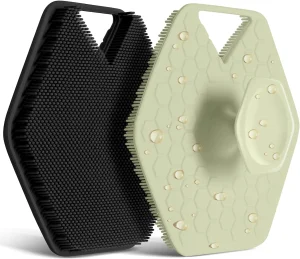
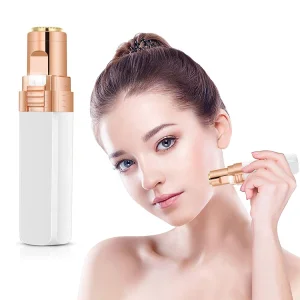
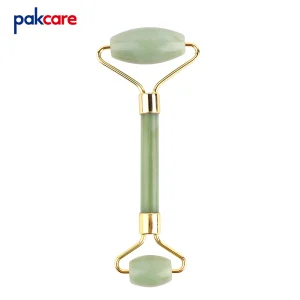
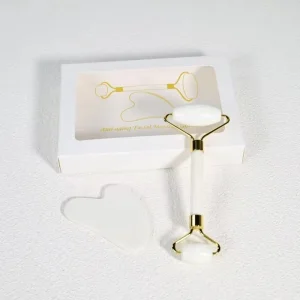
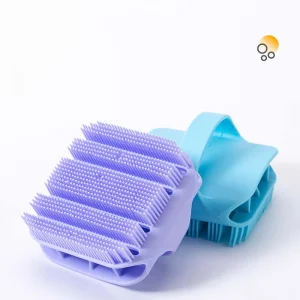
Additional beauty tools, micro-dermabrasion products, and natural face massagers manufactured to the same exacting standards.
 Osity Beauty