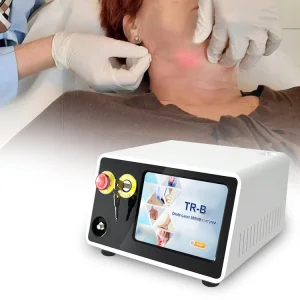
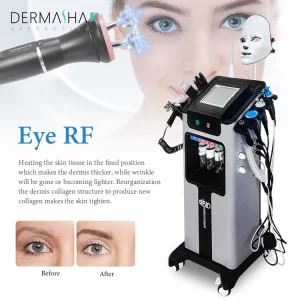
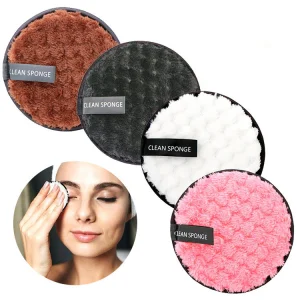
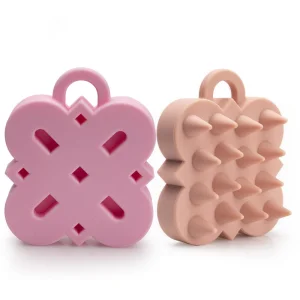
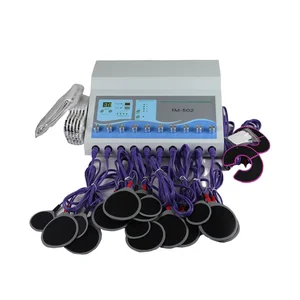
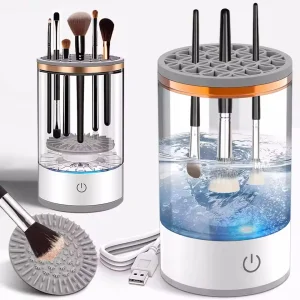
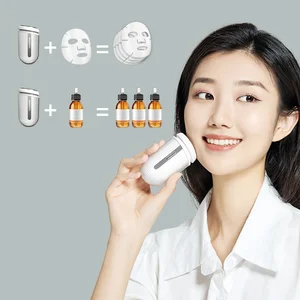
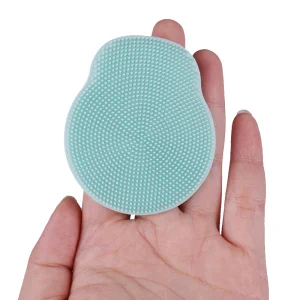
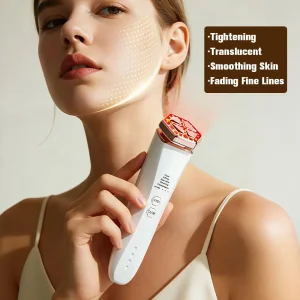
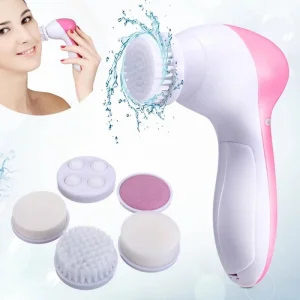
Explore our premiere production line of multi-purpose facial protectors, diagnostic skin analysis units, and professional electro-therapy components designed for global supply chains.
The international market for face shields has undergone a massive paradigm shift. No longer viewed strictly as simple plastic visors for medical environments, contemporary face shields represent a complex intersection of personal protective equipment (PPE), industrial chemical barriers, and high-performance electro-optical aesthetic therapy systems. From high-grade optical polycarbonate visors utilized in aerospace fabrication to advanced LED phototherapy face masks deployed in modern clinical salons, face shielding technology is at the forefront of human skin protection.
As import and export data indicates, B2B procurement managers are demanding higher standards for optical clarity, chemical resistance, anti-fogging capabilities, and bio-compatible materials. Navigating this diverse manufacturing landscape requires sourcing from established entities capable of meeting stringent global certifications such as EN 166 (European Standard for Personal Eye Protection), ANSI Z87.1 (American National Standard for Occupational and Educational Personal Eye and Face Protection Devices), and medical device registrations. For beauty and therapy-focused shields, FDA Class II certifications and CE safety marks dictate market entry limits.
When selecting a top-tier face shield supplier or exporter, procurement agents must evaluate five critical industry trends driving product innovation and market demand:
Modern industrial and medical visors are utilizing double-sided hydrophilic nano-coatings to prevent condensation under extreme temperature shifts, alongside anti-scratch hard coatings to extend the lifecycle of polycarbonate structures.
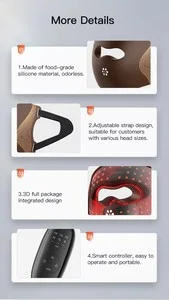
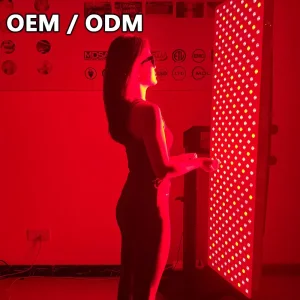
The aesthetic field is experiencing a massive wave of LED phototherapeutic shields that double as light barrier protectors, delivering precise wavelengths of light (like 850nm near-infrared and 630nm red light) to rejuvenate skin while shielding eyes from harmful exposure.
With global sustainability mandates expanding, exporters are introducing face shield frames made of plant-based PLA and recyclable PET/RPET visors to help corporate buyers meet ESG (Environmental, Social, and Governance) targets.
"Information Gain Action Point: When evaluating the top 10 face shield suppliers globally, look beyond unit pricing. Prioritize partners offering complete supply chain verification, detailed chemical safety data sheets (MSDS), and customized optical calibration test results."
The manufacturing process of protective shields requires careful engineering of polymers and optical arrays. Visors are primary molded from Polycarbonate (PC) or Polyethylene Terephthalate Glycol (PETG). Polycarbonate is preferred in heavy-duty industrial and surgical environments due to its exceptional impact strength, UV protection capability, and high heat deflection parameters. Conversely, PETG serves as a cost-effective, high-clarity alternative for general-purpose settings.
Ergonomics play an equally vital role. Comfort-fit ratcheting headgear systems, brow guards with moisture-wicking sweatbands, and pivot hinges that allow operators to flip the shield up without removing the entire headgear are essential for worker compliance. In automated industrial manufacturing facilities, advanced shields are paired with PAPR (Powered Air-Purifying Respirator) systems to supply continuous clean air inside the shield, eliminating carbon dioxide build-up and lowering respiratory fatigue.
Chengdu Osity Beauty Co., Ltd. is a professional beauty tools manufacturer specializing in the research, development, production, and supply of facial care devices, skin rejuvenation equipment, and home beauty solutions for global markets. The company serves beauty brands, distributors, retailers, e-commerce sellers, and private label partners seeking reliable manufacturing support and innovative personal care products.
The company's product portfolio covers a wide range of beauty tools, including facial cleansing devices, facial massage tools, skin tightening equipment, LED light therapy devices, microcurrent beauty devices, pore care tools, facial lifting devices, eye care beauty tools, scalp massage equipment, and other home-use skincare technologies. Designed to support modern beauty routines, these products focus on convenience, user experience, and compatibility with various skincare applications.
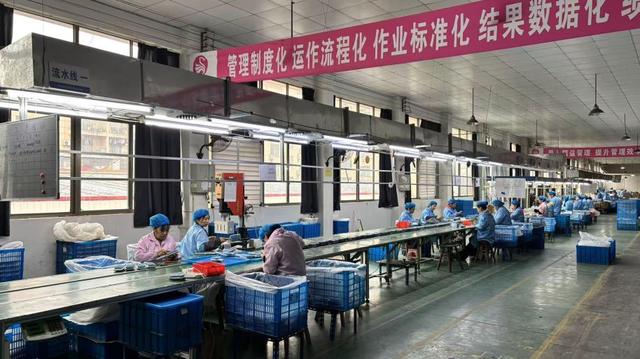
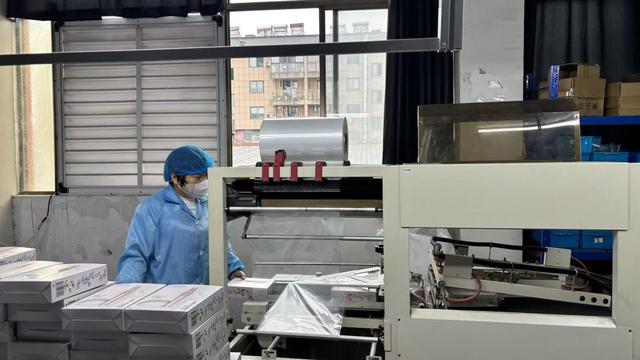
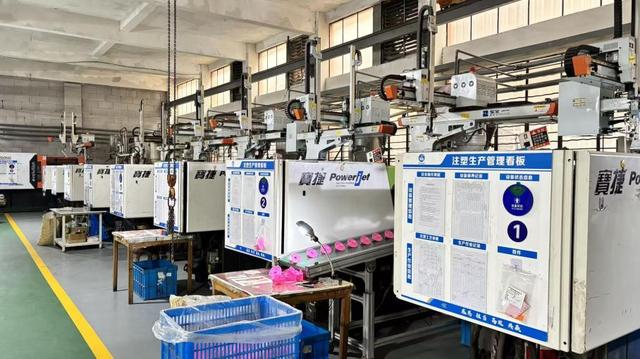
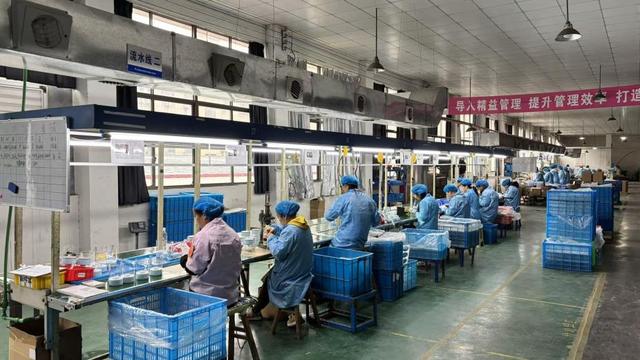
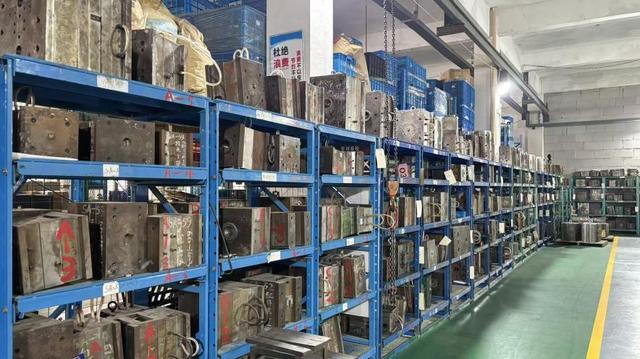
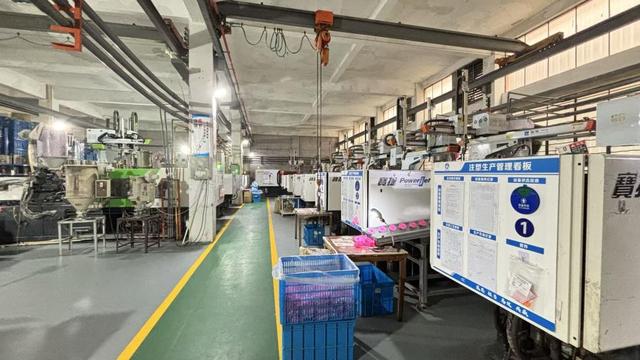
Chengdu Osity Beauty Co., Ltd. operates with a commitment to product quality, manufacturing consistency, and continuous innovation. The company follows strict quality control procedures throughout product development, component sourcing, assembly, testing, and final inspection. By integrating modern manufacturing technologies and market-oriented product design, the company strives to meet the evolving demands of the global beauty and personal care industry.
In addition to standard product offerings, Chengdu Osity Beauty Co., Ltd. provides flexible OEM and ODM services. Customers can customize product functions, branding, packaging, appearance, and specifications according to their target markets and business requirements. From concept development and prototype creation to mass production and export support, the company offers comprehensive manufacturing solutions for beauty device brands worldwide.
With a focus on long-term cooperation and product innovation, Chengdu Osity Beauty Co., Ltd. continues to deliver beauty tools and home beauty solutions that support the growth of partners across international markets.

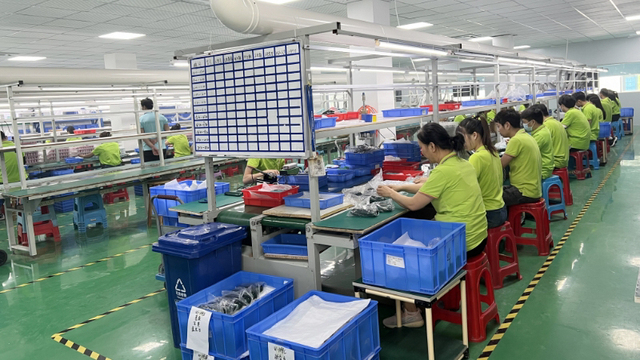

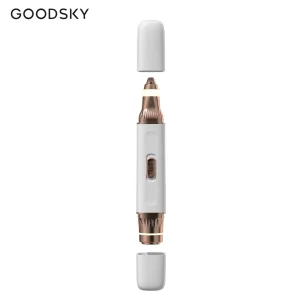
Explore our technical catalog of specialized scalp therapy massagers, high-intensity whole-body light systems, precise hair removers, and portable skin prep tools.
 Osity Beauty