The global market for dermatology and home-use aesthetics devices has evolved from simple mechanical exfoliators to complex bio-electrical, thermal, and optical systems. Dermatology clinics, commercial beauty brands, and medical distributors are experiencing unprecedented shifts in user demographics. Today’s consumers demand clinically validated, energy-based devices that bridge the gap between invasive clinical treatments and daily home-use skin maintenance.
Modern procurement is no longer just about per-unit manufacturing costs. It requires a holistic understanding of biocompatibility (ISO 10993), electromagnetic compatibility (IEC 60601-1-2), and wavelength stability. Distributors who partner with manufacturers that handle end-to-end design, strict regulatory compliance, and localized post-market surveillance gain a sustained 35% margin advantage by reducing returns, custom holds, and brand-damaging device failures.
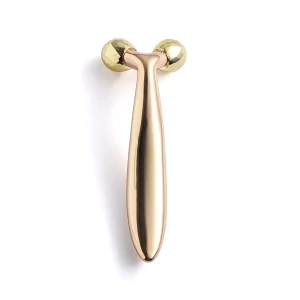
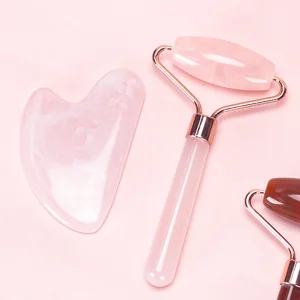
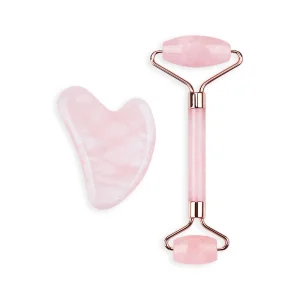
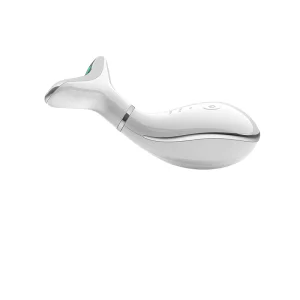
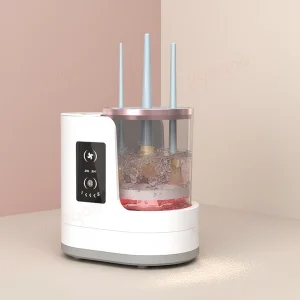
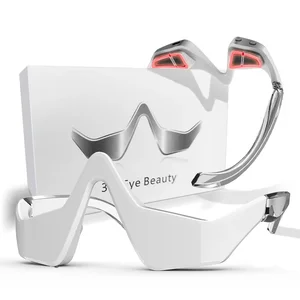
Explore our primary range of engineered skin solutions. These items are designed for commercial distribution, professional aesthetics, and private-label integration.
Sourcing premium medical-grade and retail skin equipment requires careful evaluation. The difference between standard domestic personal appliances and clinical-grade home wellness devices lies in electrical engineering tolerances and wave output consistency. Below, we break down the core tech standards necessary to remain competitive in major global markets like North America and the EU.
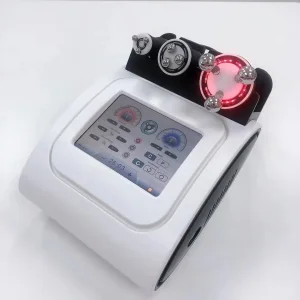
Advanced devices using EMS (Electrical Muscle Stimulation) and Microcurrent rely on precise micro-amperes (typically ranging from 100µA to 800µA). Deviations in current pulse shapes can result in skin discomfort or superficial burns. Top factories implement oscilloscopes at testing stations to guarantee consistent wave generation across all assembly stages.
Red light therapy requires an accurate narrow band around 630nm to 660nm, and Near-Infrared (NIR) needs 850nm for deep tissue penetration. Budget suppliers often use standard LEDs that emit wide-spectrum light without clinical value. Quality control teams must measure output intensity using spectrophotometers.
Radio Frequency (RF) and thermal hammer tools require real-time temperature sensing feedback. Safe RF operation demands temperature cut-offs (e.g., maintaining epidermal temperatures below 42°C) to prevent thermal injury while ensuring collagen denaturation in the dermis.
Chengdu Osity Beauty Co., Ltd. is a professional beauty tools manufacturer specializing in the research, development, production, and supply of facial care devices, skin rejuvenation equipment, and home beauty solutions for global markets. The company serves beauty brands, distributors, retailers, e-commerce sellers, and private label partners seeking reliable manufacturing support and innovative personal care products.
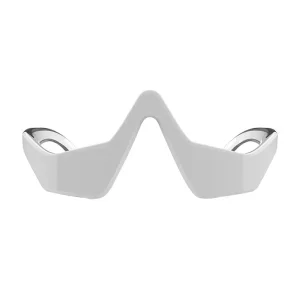
The company's product portfolio covers a wide range of beauty tools, including facial cleansing devices, facial massage tools, skin tightening equipment, LED light therapy devices, microcurrent beauty devices, pore care tools, facial lifting devices, eye care beauty tools, scalp massage equipment, and other home-use skincare technologies. Designed to support modern beauty routines, these products focus on convenience, user experience, and compatibility with various skincare applications.
Chengdu Osity Beauty Co., Ltd. operates with a commitment to product quality, manufacturing consistency, and continuous innovation. The company follows strict quality control procedures throughout product development, component sourcing, assembly, testing, and final inspection. By integrating modern manufacturing technologies and market-oriented product design, the company strives to meet the evolving demands of the global beauty and personal care industry.
In addition to standard product offerings, Chengdu Osity Beauty Co., Ltd. provides flexible OEM and ODM services. Customers can customize product functions, branding, packaging, appearance, and specifications according to their target markets and business requirements. From concept development and prototype creation to mass production and export support, the company offers comprehensive manufacturing solutions for beauty device brands worldwide.
From specialized cleaning tools to non-invasive lifting devices, explore the second half of our high-demand product portfolio.
Entering major consumer electronics markets requires adherence to local directives. In the EU, devices classification falls under CE-EMC and CE-LVD directives, or the Medical Device Regulation (MDR 2017/745) if medical claims are stated. In the US, FDA registration or 510(k) clearances are critical checkpoints for retail distribution.
Whether modifying an existing mold to integrate specific wavelengths of LED or engineering a custom microcurrent program from scratch, having access to CAD/CAM models and rapid prototypes within days allows businesses to adapt quickly to changing consumer demands.
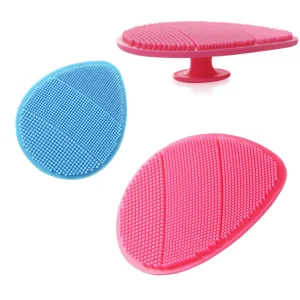
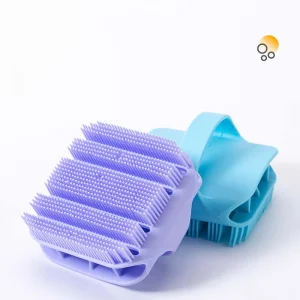
Devices like silicone cleaning brushes must use non-porous, hypoallergenic food-grade or medical-grade silicone. This prevents bacterial buildup and ensures skin safety under humid bathroom operating conditions.
Every production batch undergoes insulation breakdown testing, battery cycle life verification, IPX7 water ingress assessment, and output amplitude checks to minimize warranty issues in downstream operations.
Technical queries answered by our manufacturing team, addressing performance, customization, and import requirements.
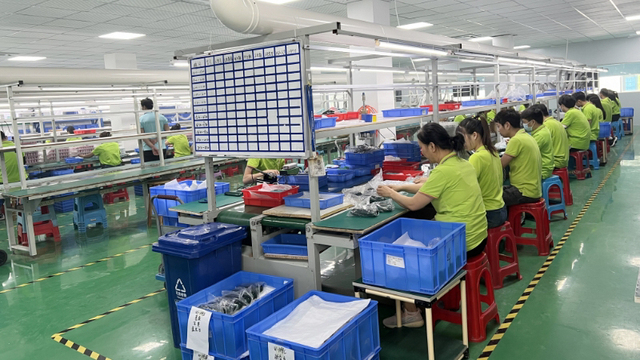
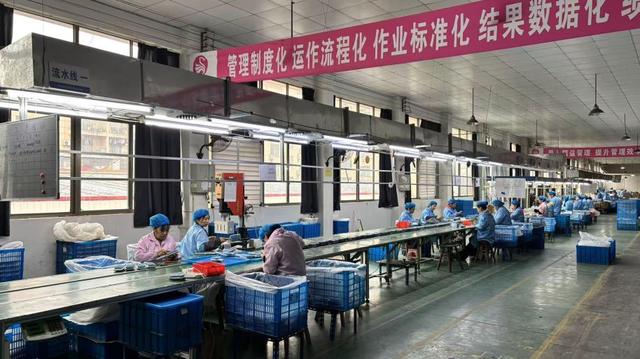
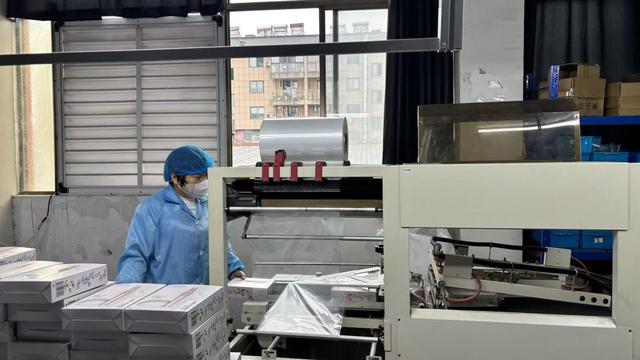
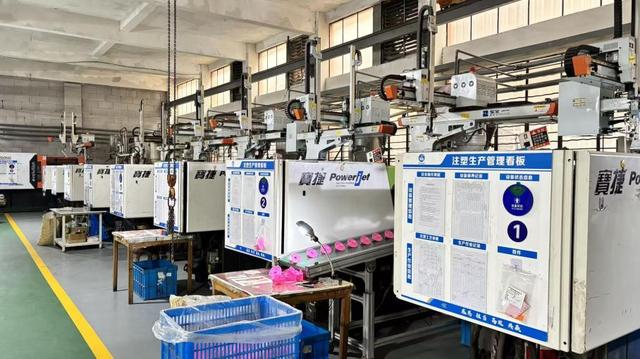
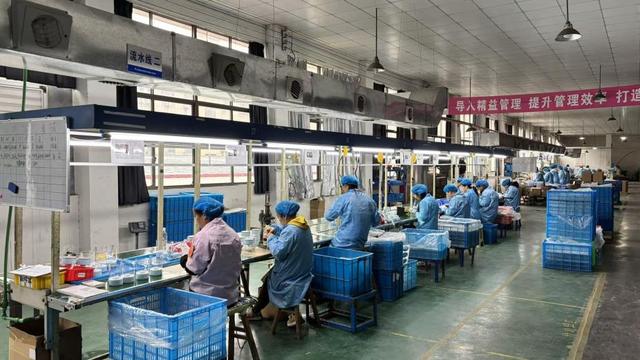
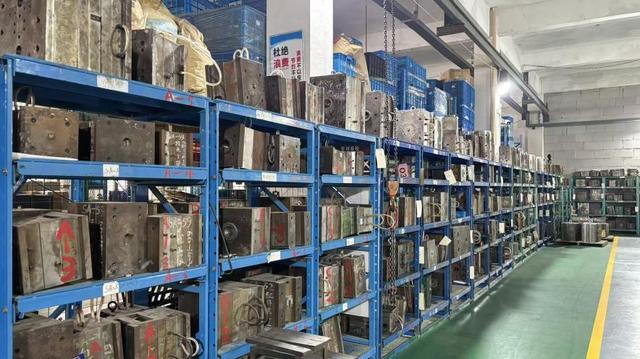
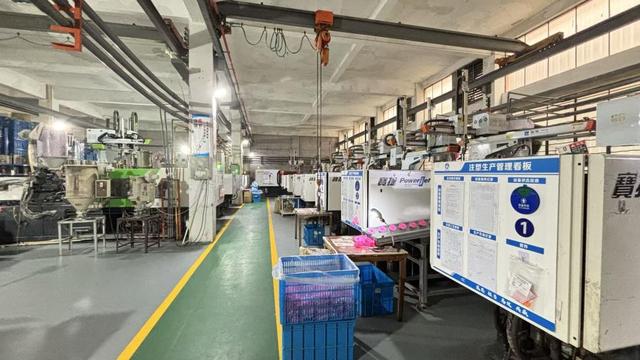
A look inside Chengdu Osity Beauty Co., Ltd.'s facilities, showing our clean assembly rooms, quality inspection processes, and warehouse operations.


 Osity Beauty