Explore our elite engineering selection designed for professional beauty brands, e-commerce leaders, and therapeutic clinics worldwide.
Understanding the shift towards non-invasive dermatological treatments, smart technology integration, and personalized skincare hardware.
The global personal care and beauty device industry is experiencing an unprecedented structural transformation. Historically divided between high-cost clinical interventions and basic manual skincare application, the modern market has converged upon a highly technical, mid-tier segment: high-performance, home-use beauty treatment devices. Driven by advancements in biophysics, micro-electronics, and material science, consumers now demand clinical-grade results from the comfort of their homes.
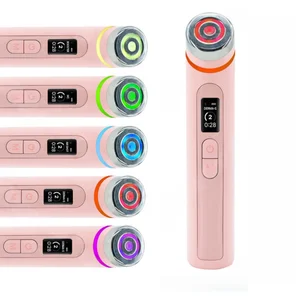
Dual-spectrum wavelengths (660nm red and 850nm near-infrared light) stimulate cellular ATP production, promoting collagen synthesis and accelerating dermal tissue recovery.
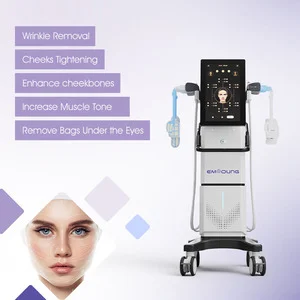
EMS (Electrical Muscle Stimulation) and Radio Frequency technology mimic biological currents to tone facial muscles and gently heat deep dermal layers for instant lifting.
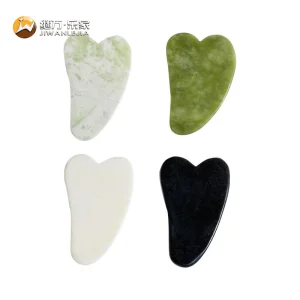
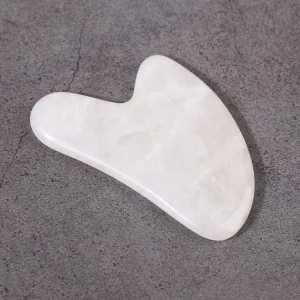
The adoption of medical-grade, non-porous silicone and pure natural crystalline structures (like Nephrite Jade and Rose Quartz) ensures hypoallergenic safety.
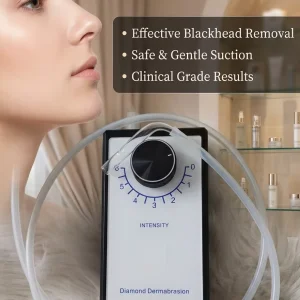
According to clinical studies in dermatological engineering, targeted light-emitting diode (LED) arrays demonstrate high efficacy in treating mild-to-moderate inflammatory acne, hyperpigmentation, and fine lines. By combining microcurrent technology with physical exfoliation methods (such as ultrasonic skin scrubbing and medical-grade silicone brushes), modern cosmetic routines achieve enhanced transdermal penetration of active ingredients. For global brand developers and distributors, aligning with a factory capable of embedding these complex technological features into ergonomic, retail-ready designs is critical for capturing high-value market share.
How cross-border buyers navigate strict regulatory ecosystems, certification frameworks, and brand-differentiating specifications.
Enterprise procurement of electronic beauty equipment requires rigorous due diligence. Unlike basic cosmetic packaging, beauty treatment devices are active consumer electronics that contact the skin directly, often emitting light, heat, or electrical pulses. As such, global sourcing managers representing medical spas, premium cosmetic brands, and large-scale retail distributors face complex regulatory hurdles across different jurisdictions.
North America: FDA Registration, FCC Certification (for electromagnetic compatibility), and UL Safety Standards for lithium-ion battery configurations.
European Union: CE Marking (demonstrating conformity with health, safety, and environmental protection standards), RoHS Compliance (Restriction of Hazardous Substances in electrical equipment), and WEEE directives.
Global Standards: ISO 13485 (Medical devices quality management systems) and ISO 9001 certifications representing standardized factory operations.
Beyond compliance, global B2B procurement demands high customizability. Brands look for flexible OEM (Original Equipment Manufacturer) and ODM (Original Design Manufacturer) frameworks. This allows them to launch proprietary designs without maintaining capital-intensive manufacturing plants. Sourcing success depends on finding a production partner that offers end-to-end support—from initial schematic design and PCB layouts to shell mold injection, custom color matching, and protective transit packaging.
Leveraging industrial clusters, high-speed automated tooling, and vertical integration to secure cost and quality dominance.
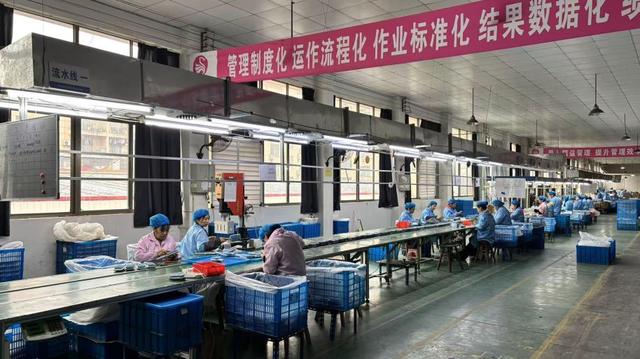
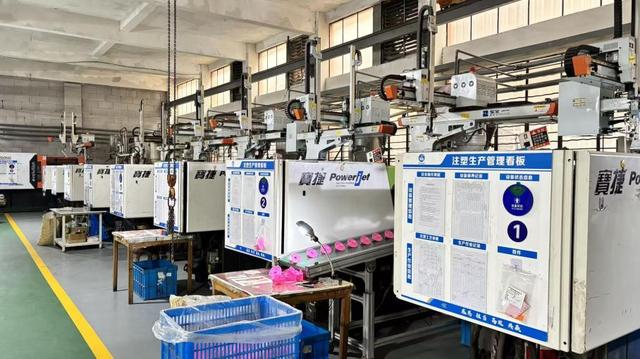
The manufacturing ecosystem in China has evolved far beyond simple low-cost assembly. Today, Chinese "Factory 4.0" operations are characterized by deep vertical integration, automated quality management systems, and close proximity to dense supply chain clusters. For beauty treatment devices, which integrate plastics, electronics, optical units, and natural minerals, this integrated supply chain is a powerful competitive advantage.
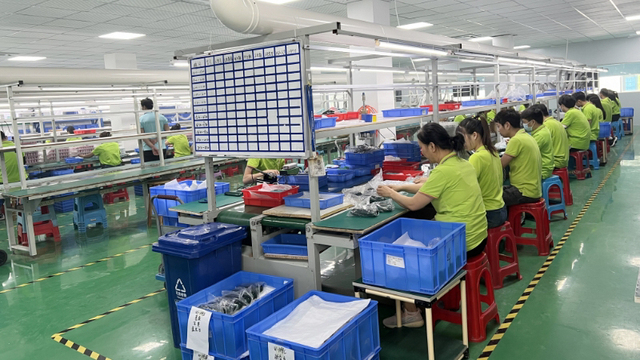
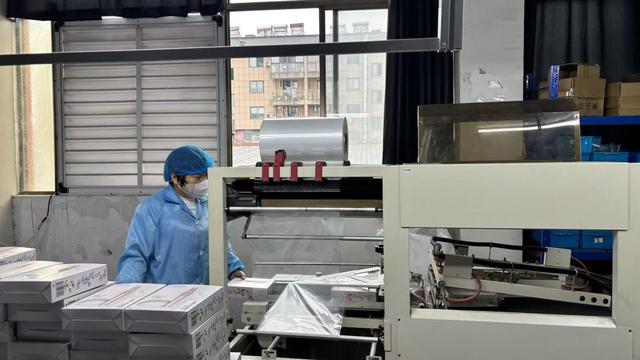
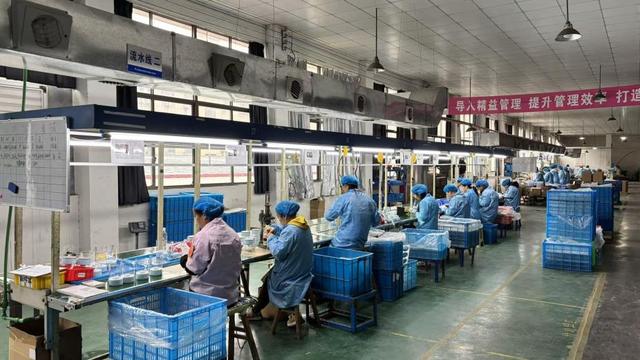
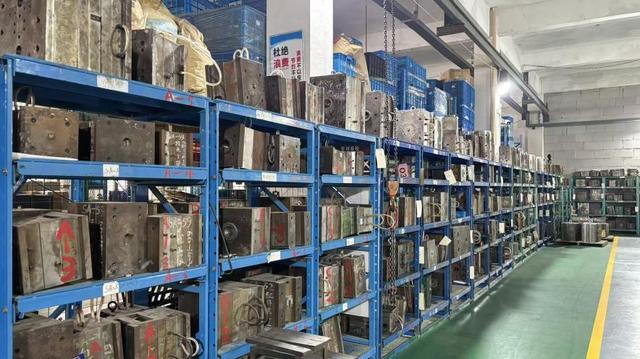
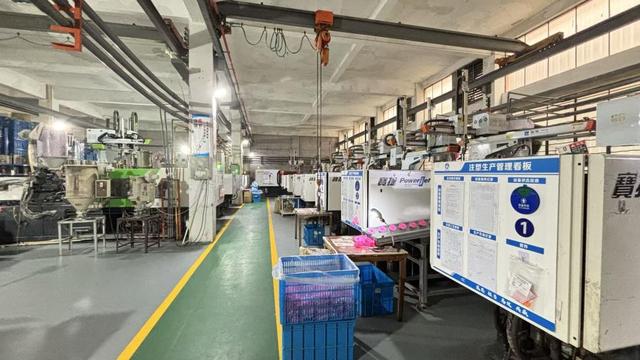
Chengdu Osity Beauty Co., Ltd. and standard-setting Chinese production hubs utilize sophisticated computer-aided design (CAD) programs, computerized numerical control (CNC) gemstone milling, and cleanroom packaging facilities. Having raw material processing (such as high-grade food-safe silicone vulcanization and jade slicing) on the same site as electronic assembly reduces manufacturing lag, eliminates transit wear, and lowers the cost of goods sold (COGS).
This geographic concentration of secondary supply chains—such as specialized LED light board print houses, battery calibration laboratories, and custom color-box offset printers—allows factories to respond quickly to market changes. If a brand needs to modify a design to match a trending skincare style, a Factory 4.0 facility can adjust tooling, update the PCB design, run compatibility tests, and start mass production weeks faster than fragmented international setups.
An inside look at our technical workflow: turning product concepts into high-market-share retail solutions.
Developing an OEM beauty device from scratch requires a structured engineering process to ensure product safety, functional efficacy, and long-term reliability. Below is our standard manufacturing workflow designed for premium brands:
Industrial designers create 3D renders matching ergonomic and aesthetic target specs. Structural engineers run Finite Element Analysis (FEA) to simulate drops and heat dispersion before generating 3D-printed prototypes.
Electrical engineers lay out the PCB, integrate microcontrollers, configure current output steps, program battery safety cut-offs, and fine-tune charging options (like Type-C or wireless inductive docks).
Every device undergoes physical and electrical testing. This includes high-humidity chambers, salt-spray rust testing for steel blades, battery charge cycling, and optical spectrometry for LED consistency.
This careful engineering pipeline ensures that final products do not suffer from common market issues, such as premature battery failure, degraded LED output, or unstable current loops. By using standard modular steps, we can reduce tooling costs and expedite go-to-market schedules, giving our global brand partners a distinct competitive edge.
From luxury clinical spaces to home-use daily routines—discovering how devices adapt to diverse end-user environments.
To capture user intent, beauty devices must adapt to diverse operational settings. Product managers must tailor hardware configurations to specific application environments:
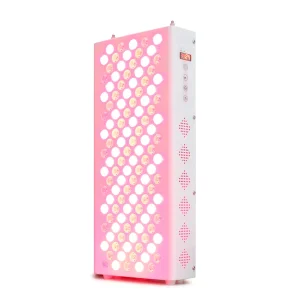
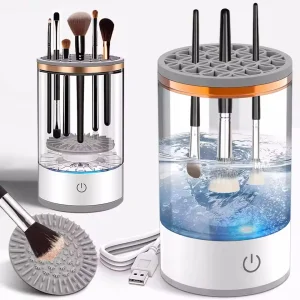
In the home-use market, convenience, safety, and ease of use are paramount. Devices like the 120 LEDs Red Light Therapy Device or the Electric Makeup Brush Cleaner must feature intuitive controls, long battery life, and simple charging bases. Compact structures and waterproof ratings (IPX5 to IPX7) allow users to integrate these tools seamlessly into daily bathing and skincare routines.
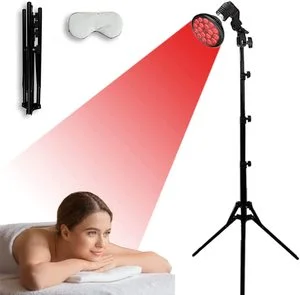
For clinical applications, durability and power density are key. Professionals use high-intensity devices like the Tripod Red Light Therapy Device or RF Skin Tightening Massagers. These products require heavy-duty mounting, precise wavelength controls, and surfaces that can withstand frequent chemical disinfection without degrading.
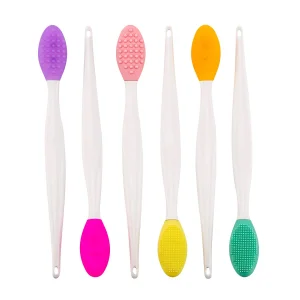
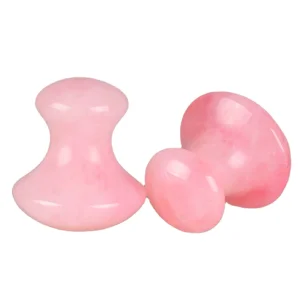
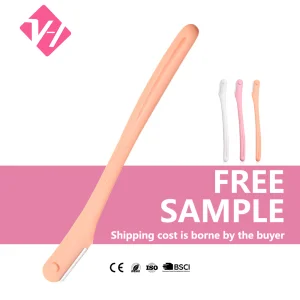
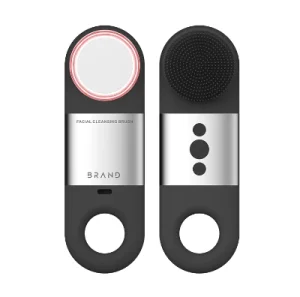
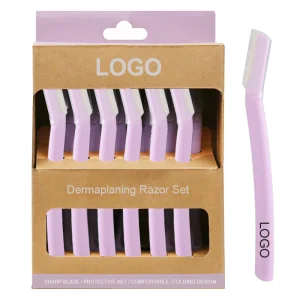
The modern mobile lifestyle has created a booming market for portable, lightweight beauty tools. Products like the Mushroom Shape Rose Quartz Gua Sha, Portable Black Silicone Face Scrubbers, and folding dermaplaning tools fit easily into travel kits. They require no electrical power or charge via standard USB ports, providing professional skincare results anywhere, anytime.
A professional beauty tools manufacturer specializing in the research, development, and supply of global home beauty solutions.
Chengdu Osity Beauty Co., Ltd. is a professional beauty tools manufacturer specializing in the research, development, production, and supply of facial care devices, skin rejuvenation equipment, and home beauty solutions for global markets. The company serves beauty brands, distributors, retailers, e-commerce sellers, and private label partners seeking reliable manufacturing support and innovative personal care products.
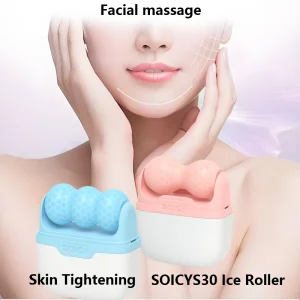
The company's product portfolio covers a wide range of beauty tools, including facial cleansing devices, facial massage tools, skin tightening equipment, LED light therapy devices, microcurrent beauty devices, pore care tools, facial lifting devices, eye care beauty tools, scalp massage equipment, and other home-use skincare technologies. Designed to support modern beauty routines, these products focus on convenience, user experience, and compatibility with various skincare applications.
Chengdu Osity Beauty Co., Ltd. operates with a commitment to product quality, manufacturing consistency, and continuous innovation. The company follows strict quality control procedures throughout product development, component sourcing, assembly, testing, and final inspection. By integrating modern manufacturing technologies and market-oriented product design, the company strives to meet the evolving demands of the global beauty and personal care industry.
In addition to standard product offerings, Chengdu Osity Beauty Co., Ltd. provides flexible OEM and ODM services. Customers can customize product functions, branding, packaging, appearance, and specifications according to their target markets and business requirements. From concept development and prototype creation to mass production and export support, the company offers comprehensive manufacturing solutions for beauty device brands worldwide.


Answers to key technical, logistical, and partnership questions from B2B sourcing managers.
High-demand beauty devices featuring advanced ergonomics, skin lifting, deep cleansing, and soothing massage technologies.
 Osity Beauty