




Why Activated Bamboo Charcoal has transitioned from a niche raw ingredient to an essential technology component in global beauty portfolios.
The global demand for high-performance detoxifying personal care products has positioned activated charcoal at the epicenter of formulation chemistry and cosmetic engineering. As international brands aim to align with clean beauty standards while maintaining robust cleansing metrics, China's charcoal facial products factories have evolved their production processes to deliver medical-grade active raw components and integrated electronic beauty devices. Bamboo charcoal (Takesumi), processed via controlled pyrolysis and gas activation, presents an exceptionally high specific surface area (up to 2000 square meters per gram). This structural property allows it to adsorb micro-particles, industrial pollutants, and excess sebum from the follicular infundibulum through strong Van der Waals physical forces.
In B2B beauty manufacturing, the integration of activated charcoal spans two distinct categories: direct cosmetics formulations (such as charcoal facial peels, carbon sheet masks, and detox scrubs) and physical skincare application tools. Modern procurement strategies focus heavily on integrating these two categories. For example, deploying a carbon-infused silicone cleansing brush alongside a targeted facial cleanser significantly increases the overall bio-efficacy. High-tech exporters in Chengdu and other cosmetic hubs have responded to this demand by constructing state-of-the-art sterile manufacturing ecosystems that cross-link physical device manufacturing with biological safety parameters.
A professional leader in global personal care manufacturing, R&D, and custom supply solutions.
Chengdu Osity Beauty Co., Ltd. is a professional beauty tools manufacturer specializing in the research, development, production, and supply of facial care devices, skin rejuvenation equipment, and home beauty solutions for global markets. The company serves beauty brands, distributors, retailers, e-commerce sellers, and private label partners seeking reliable manufacturing support and innovative personal care products.
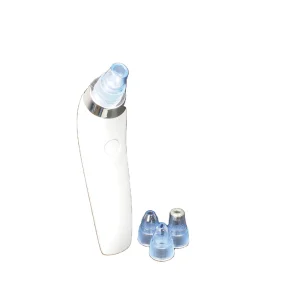
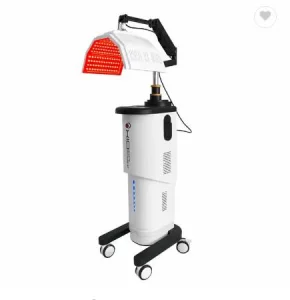
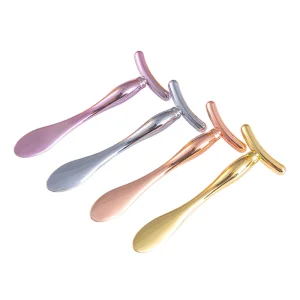
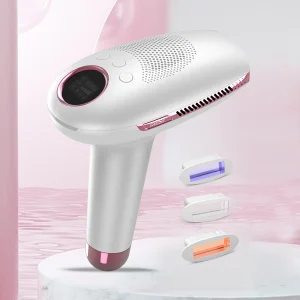
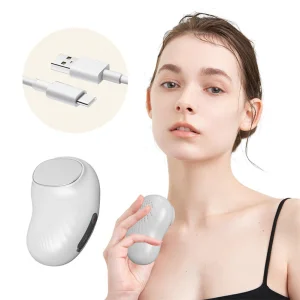
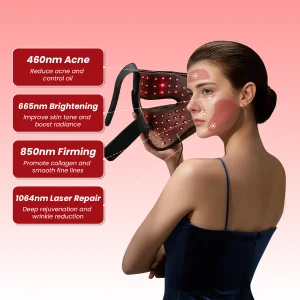
The company's product portfolio covers a wide range of beauty tools, including facial cleansing devices, facial massage tools, skin tightening equipment, LED light therapy devices, microcurrent beauty devices, pore care tools, facial lifting devices, eye care beauty tools, scalp massage equipment, and other home-use skincare technologies. Designed to support modern beauty routines, these products focus on convenience, user experience, and compatibility with various skincare applications.
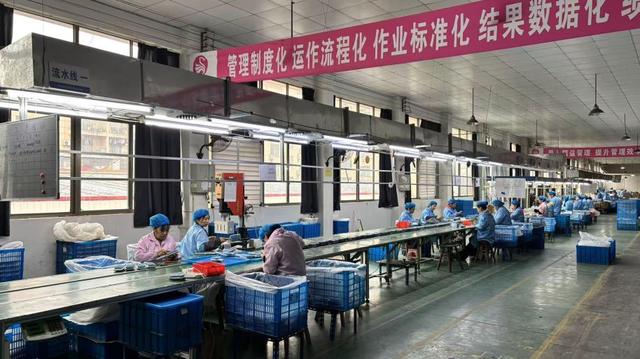
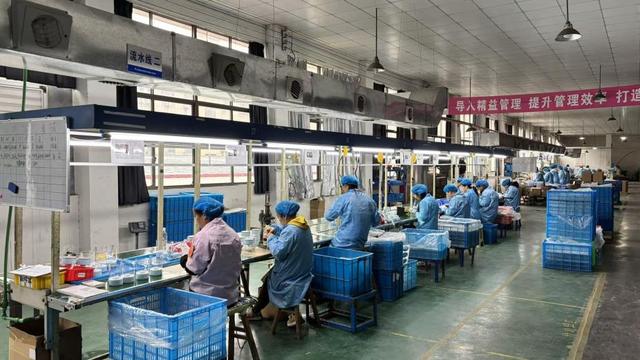
Chengdu Osity Beauty Co., Ltd. operates with a commitment to product quality, manufacturing consistency, and continuous innovation. The company follows strict quality control procedures throughout product development, component sourcing, assembly, testing, and final inspection. By integrating modern manufacturing technologies and market-oriented product design, the company strives to meet the evolving demands of the global beauty and personal care industry.
In addition to standard product offerings, Chengdu Osity Beauty Co., Ltd. provides flexible OEM and ODM services. Customers can customize product functions, branding, packaging, appearance, and specifications according to their target markets and business requirements. From concept development and prototype creation to mass production and export support, the company offers comprehensive manufacturing solutions for beauty device brands worldwide. With a focus on long-term cooperation and product innovation, Chengdu Osity Beauty Co., Ltd. continues to deliver beauty tools and home beauty solutions that support the growth of partners across international markets.
Evaluating the raw material accessibility, industrial clustering, and vertical manufacturing efficiencies.
China holds over 6 million hectares of bamboo forest reserves, particularly in southern and southwestern regions. This creates a secure, highly competitive local supply chain for organic raw material sourcing, lowering raw material transport costs and reducing carbon footprints.
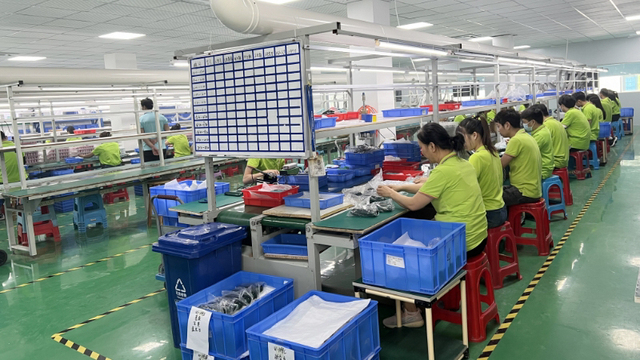
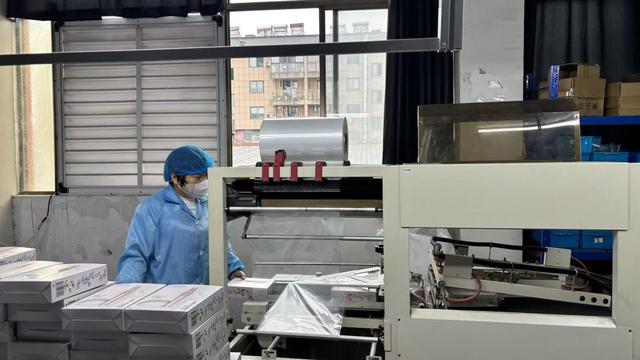
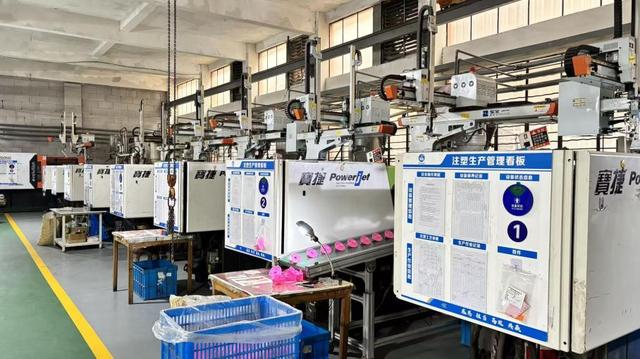
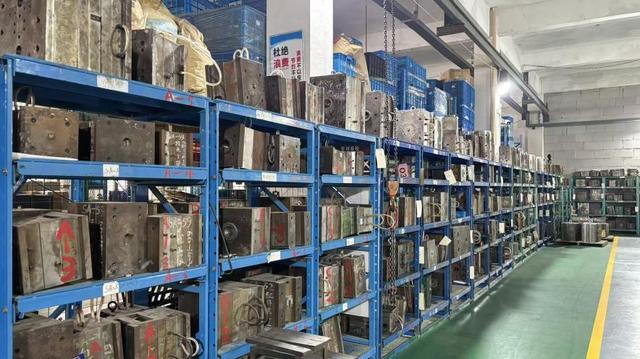
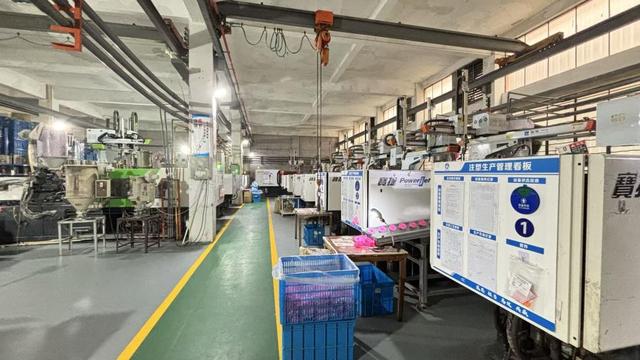
Chinese factories integrate raw pyrolysis, chemical activation, product injection molding, electronics assembly, and clean-room sterile packaging within unified regional industrial zones. This eliminates transshipment costs and speeds up turnaround times.
High-grade tooling design, precise plastic injection modeling, rapid electronic PCB layout prototyping, and bespoke branding are core capabilities. Partners can transition custom concepts to commercial scale-up in as little as 30 days.
Ensuring formulation safety, electronics certifications, and international shipping protocols.
For cosmetics formulations containing carbonaceous raw materials, international regulatory bodies enforce strict trace-element standards. Leading Chinese exporters verify that their charcoal batches are free of Heavy Metals (Arsenic, Lead, Mercury, Cadmium) and Polycyclic Aromatic Hydrocarbons (PAHs), which can be trace-byproducts of incomplete organic combustion.
When integrating beauty tools (e.g., sonic cleansing brushes, microcurrent rollers, LED masks) with skincare protocols, the electronic hardware must meet regional safety certifications to prevent import seizures or consumer safety issues.
The standard operational checkpoints B2B sourcing managers utilize to qualify manufacturers.
Enterprise buyers typically prioritize factories with ISO 9001 and ISO 22716 (GMP for Cosmetics) certifications. These standards verify clean environments, calibration protocols, batch tracking, and raw material receipt control. A clean audit record prevents downstream issues with product consistency.
A reputable exporter must provide a complete Material Safety Data Sheet (MSDS) along with a Certificate of Analysis (COA) for every shipment. This details the exact composition, surface area porosity index (e.g., via Nitrogen Adsorption Brunauer-Emmett-Teller method), moisture levels (typically kept below 8%), and ash percentage.
Compliance with social responsibility standards is essential for modern brand alignment. Working with facilities that have undergone Sedex (SMETA) or BSCI audits ensures fair labor conditions, transparent manufacturing structures, and sustainable environmental practices, which helps protect brand reputation.
A visual look into modern manufacturing environments, quality testing, and advanced shipping protocols.


Analyzing future consumer needs and technological innovations in the global marketplace.
The beauty and personal care industry is continuously evolving, driven by scientific research and shifting consumer preferences. Understanding these trends helps businesses align their product development pipelines with future demands.
Rather than using activated charcoal formulations alone, modern skincare programs often combine physical charcoal application media with active technology. Carbon-impregnated facial brushes, microcurrent massage systems, and heat-assisted pore vacuums are designed to work together, improving cleansing efficiency by loosening sebum before physical adsorption occurs.
Environmental standards are increasingly important in clean cosmetics. Sourcing from certified sustainable forests helps address green beauty requirements. Using closed-loop pyrolysis systems—where combustion gases are captured and recycled to heat the carbonization kiln—helps brands reduce their environmental impact.
To support sensitive skin types, research is focusing on micronizing bamboo charcoal powder down to sub-micron diameters (nano-dispersion technology). This maintains high adsorption capacity while minimizing the abrasive texture on the skin's outer barrier, allowing for gentler exfoliation.
Technical and logistics answers for sourcing managers and global buyers.
Generally, the MOQ for custom OEM/ODM packaging, casing color-matching, or unique functional designs starts around 1,000 to 3,000 units. Standard factory stock models with simple private label requirements can often be sourced with a lower MOQ of 500 units.
Every production batch undergoes Inductively Coupled Plasma Mass Spectrometry (ICP-MS) to check for heavy metals. We also conduct gas chromatography tests to verify the absence of harmful volatile compounds, and standard plate counts to ensure micro-biological purity before shipping.
For new OEM projects, the typical timeline is 30 to 45 days. This includes custom mold production, PCB manufacturing, and packaging design setup. Repeat orders for existing models are usually completed and ready to ship within 20 to 30 days.
Established manufacturers use formal Non-Disclosure Agreements (NDAs) and custom tooling ownership contracts. The design tooling remains the proprietary asset of the purchasing brand, protecting original intellectual property from unauthorized reuse.
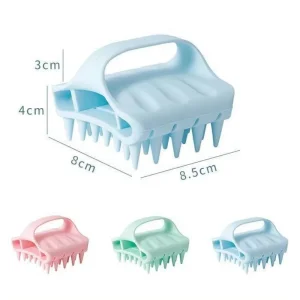
Yes, specialized grade-VI medical silicone can be compounded with active carbon powder prior to the injection molding stage. This creates a highly durable, antimicrobial brush surface that retains its physical cleansing properties throughout the life of the device.

 Osity Beauty