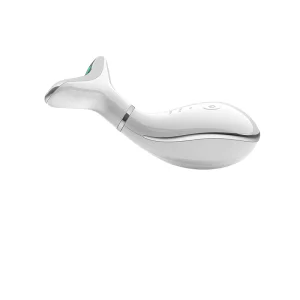
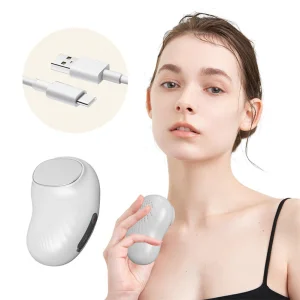
Integrating precision engineering, physical extraction technologies, and transdermal systems for clinical-grade skincare performance.
In the rapidly evolving landscape of advanced skincare, B2B procurement strategies are shifting towards science-backed, verified, and regulatory-compliant solutions. The global demand for CE Certified Acne Patches has surged dramatically, transitioning from niche K-beauty trends to staple pharmaceutical and personal care categories worldwide. Modern consumers demand targeted, localized treatments that combine immediate mechanical protection with long-term dermal rehabilitation. For international brands, distributors, and e-commerce aggregators, sourcing from specialized manufacturing factories that maintain rigid standards under European Conformity (CE) guidelines is paramount to ensuring market viability, regulatory safety, and commercial success.
This whitepaper details the structural dynamics of industrial-grade hydrocolloid formulation, analyzing the role of automated cleanroom assembly, raw material biocompatibility, and critical regulatory pathways. We explore how advanced manufacturing environments—such as those operated by Chengdu Osity Beauty Co., Ltd.—seamlessly integrate medical-grade patch production with synergistic beauty instruments, bridging the gap between transdermal formulations and physical skin therapeutics.
Projected Global Acne Patch Market Value by 2028, showcasing a robust CAGR of over 8.2% across Western markets.
Mandatory alignment with the EU Medical Device Regulation (MDR 2017/745) for skin-contact transdermal assemblies.
Tailored physical parameters, active ingredient integration, and customized shapes for dynamic private label markets.
At the heart of any high-performance acne patch is a highly engineered, semi-occlusive hydrocolloid matrix. Unlike standard adhesive tapes, hydrocolloid is a smart, moisture-responsive material. The matrix is composed of synthetic elastomers integrated with hydrophilic super-absorbers, predominantly Sodium Carboxymethylcellulose (CMC), pectin, and gelatin. When applied to an active skin lesion, these hydrophilic particles absorb dermal exudate, swelling to form a soft gel that maintains a sterile, humid environment optimal for cellular migration and rapid wound recovery.
| Material Component | Functional Mechanism | Key Performance Metrics |
|---|---|---|
| Hydrophilic CMC Polymers | Absorbs cellular exudates and inflammatory fluids directly from the micro-wound. | Swelling capacity up to 300% of dry weight. |
| Polyurethane Backing Membrane | Provides high breathability while preventing external moisture and bacterial entry. | Water Vapor Transmission Rate (WVTR) of 500-1200 g/m²/24h. |
| Pressure-Sensitive Adhesives (PSA) | Secures the patch firmly to varying facial contours without causing skin stripping on removal. | Biocompatible peel adhesion force testing under ISO 10993. |
| Active Formulations (Optional) | Infused Salicylic Acid (BHA), Tea Tree Oil, or Centella Asiatica to speed up sebum reduction. | Controlled release profiles optimized for 6 to 8-hour wear. |
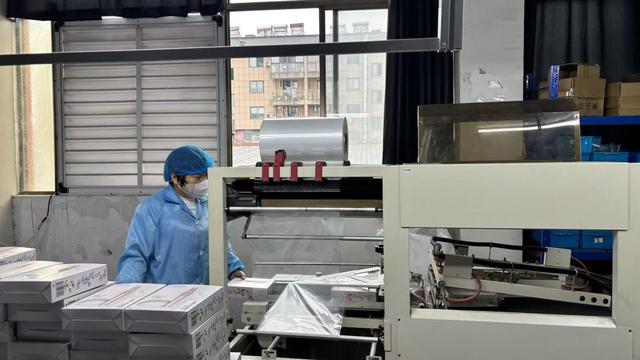
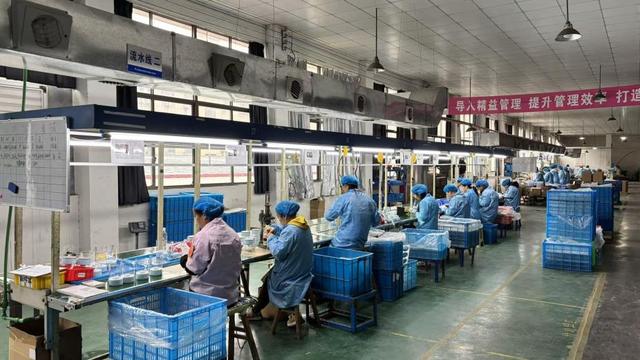
Industrial manufacturing processes demand absolute precision to preserve the stability of these components. Factories utilize specialized roll-to-roll coating and laminating systems. Inside Class 100,000 cleanrooms, the hydrocolloid mass is uniformly coated onto a protective backing sheet, precision-cut using high-speed rotary die-cutters, and individual units are hermetically sealed in protective foil packaging to prevent premature moisture activation.
For global importers, placing an acne patch on the European market requires adherence to rigorous testing parameters. Acne patches fall under different regulatory classifications based on their design. Non-medicated patches acting as physical barriers are generally regulated as Class I medical devices, while patches infused with active pharmaceutical ingredients like salicylic acid or designed for deep wound exudate management can be classified under Class IIa or Class IIb under the EU Medical Device Regulation (MDR 2017/745).
Because these patches are intended for prolonged contact with compromised skin, factories must conduct exhaustive biocompatibility testing. This includes in-vitro cytotoxicity assays, skin sensitization tests (using animal-free modern protocols), and skin irritation scoring systems. CE certified factories guarantee that raw materials do not leach harmful plasticizers, heavy metals, or residual solvents.
A certified factory must maintain an active ISO 13485 registry. This ensures full traceability of every batch from monomer raw materials to the end-consumer packaging. If a defect occurs, a standardized recall protocol can isolate affected batches instantly, minimizing operational risks for global brands and major retail networks.
Procurement directors and product managers face significant challenges when coordinating with overseas contract manufacturers. Balancing low Minimum Order Quantities (MOQs) with customized active ingredient profiles, specialized patch designs (such as tapered edges or microneedle arrays), and localized packaging compliance requires structured, transparent collaboration.
A reliable B2B manufacturing partner must offer flexible OEM (Original Equipment Manufacturer) and ODM (Original Design Manufacturer) frameworks. This allows brands to define specific parameter adjustments:
Standard hydrocolloid patches can feel bulky. High-end factories utilize ultra-thin, tapered edge profiles (beveled margins down to 0.1mm) that make the patch virtually invisible when applied to the skin, while maintaining a thicker core for maximum absorption capability.
For deep, cystic acne, standard surface patches are ineffective. ODM factories manufacture microneedle patches utilizing self-dissolving hyaluronic acid needles that penetrate the stratum corneum to deliver active ingredients directly into the localized inflammatory region.
To enter European markets smoothly, product packaging must feature clear multilingual labeling, appropriate medical symbols, batch numbers, sterile-condition markers, and proper CE certification marks with Notified Body numbers if applicable.
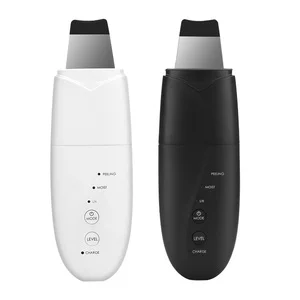
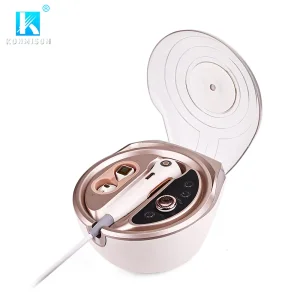
For comprehensive acne-management strategies, topical patches are highly effective when used in tandem with advanced beauty technologies. This is where the core expertise of Chengdu Osity Beauty Co., Ltd. shines. As an established, professional beauty tools manufacturer, Chengdu Osity specializes in the research, development, production, and global supply of personal care solutions.
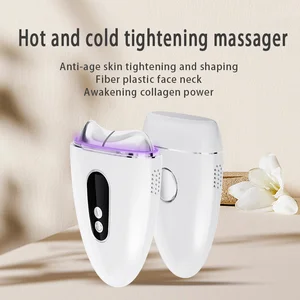
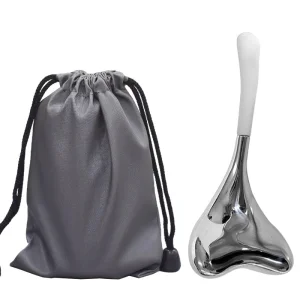
By combining mechanical and thermal skincare tools with localized hydrocolloid treatments, brands can create holistic, high-value skincare routines. For example, pre-treatment using ultrasonic skin scrubbers effectively clears dead epidermal layers, allowing acne patch hydrocolloids to establish a tighter seal and optimize active absorption. Similarly, post-patch extraction using localized cold-therapy wands helps reduce redness and accelerates dermal contraction.
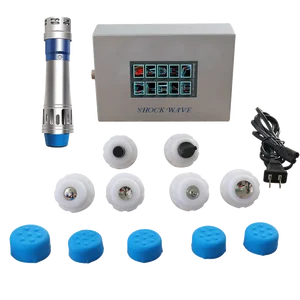
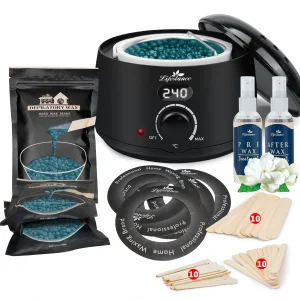
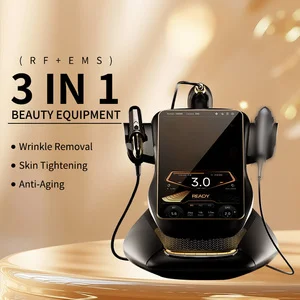
Chengdu Osity Beauty Co., Ltd. supports global brands and private label partners with a comprehensive range of facial cleansing tools, skin tightening equipment, LED phototherapy devices, and microcurrent massagers designed for the ultimate home-use skincare regime.
Partners can seamlessly customize product functions, hardware aesthetics, specific raw material selections, and branding options, supported by Chengdu Osity's robust prototype-to-mass-production pipeline.
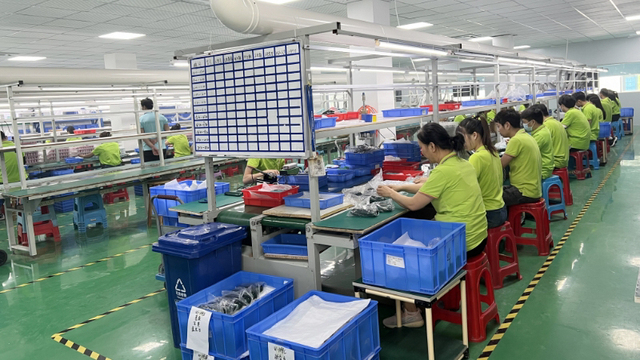
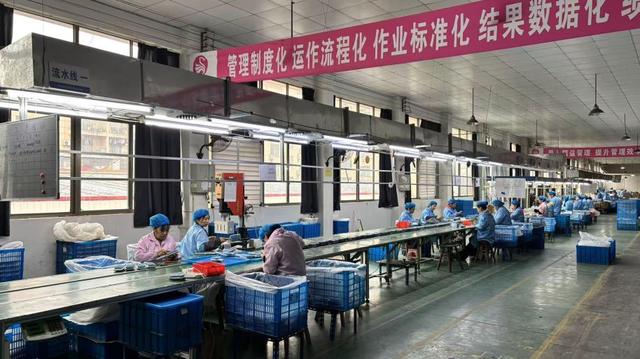
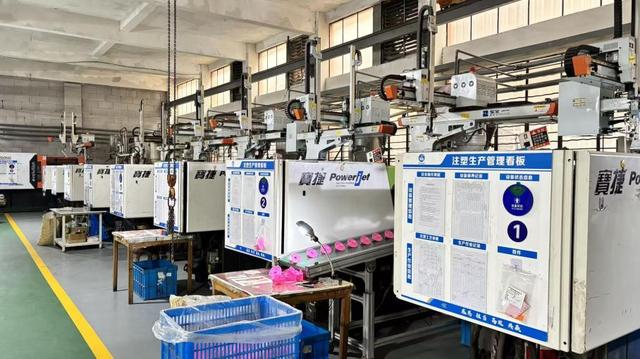
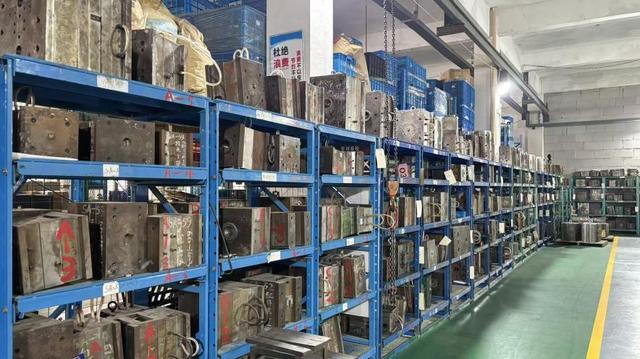
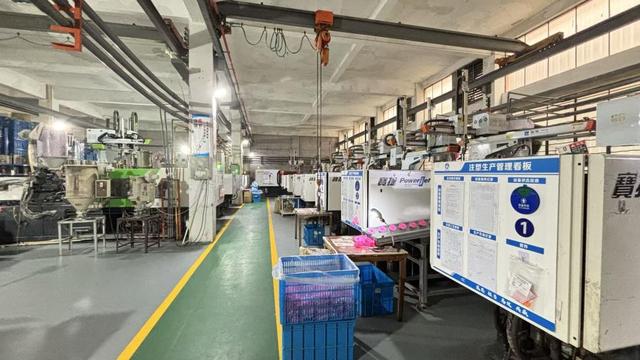
Realized through precision manufacturing lines, automated component verification, and rigorous testing protocols, Chengdu Osity Beauty Co., Ltd. maintains a high standard of consistency across all product groups. Here is an inside look at the high-efficiency facilities, assembly environments, and strict material inspection labs that support global supply chains.


The future of acne-focused therapies is rapidly converging toward bio-intelligent interfaces. Forward-thinking manufacturers are moving beyond static polymer sheets to dynamic, bio-responsive hydrogels. Here are the primary technological vectors currently shaping the next five years of product R&D:
Integrating safe, non-toxic pH-sensitive pigments into the hydrocolloid matrix that shift colors (e.g., from clear to soft white or pink) when the patch has absorbed its maximum capacity of exudate, signaling the precise time for a replacement.
Incorporating stable postbiotics and prebiotics directly into the adhesive layers. This maintains the skin’s natural acid mantle, actively inhibiting the proliferation of Cutibacterium acnes while protecting the skin barrier during recovery.
Transitioning from synthetic petroleum-derived polyurethane films to bio-based, compostable polymers that degrade naturally within short periods, resolving the environmental impact of single-use skincare disposables.
Addressing standard technical, regulatory, and B2B commercial inquiries from international buyers.
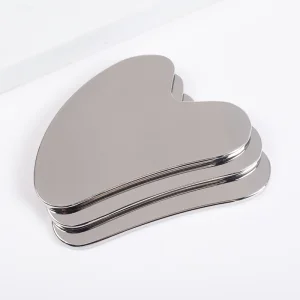
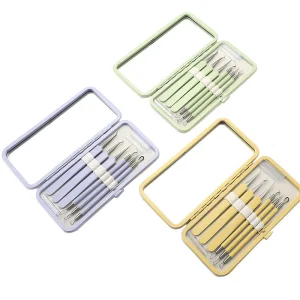
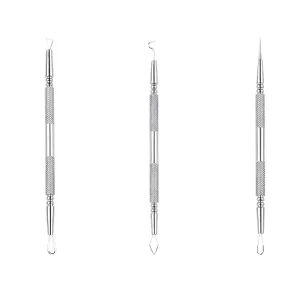
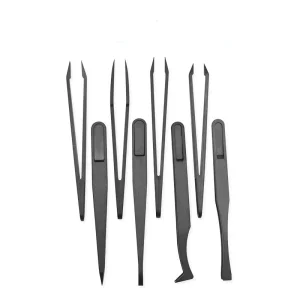
Complementary therapeutic devices and precision physical extraction tools to support professional-grade clinical treatments.
 Osity Beauty